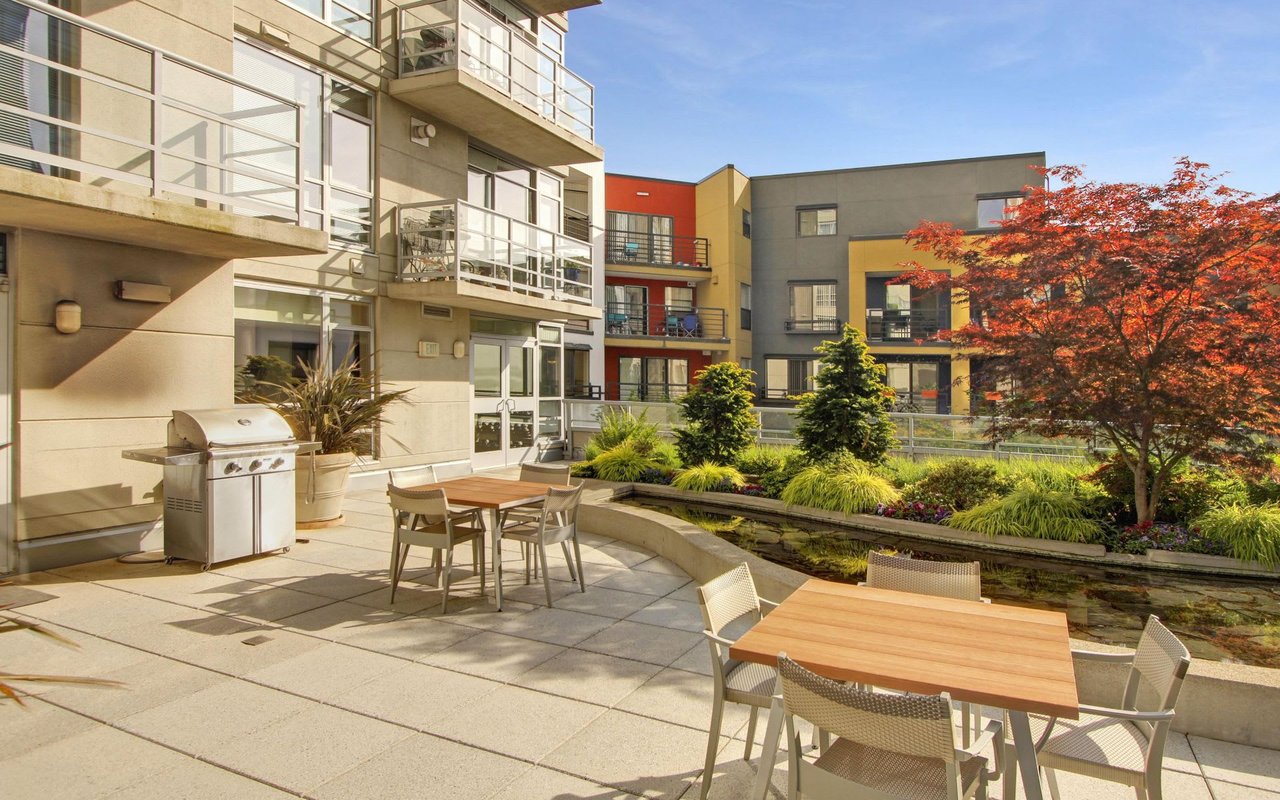
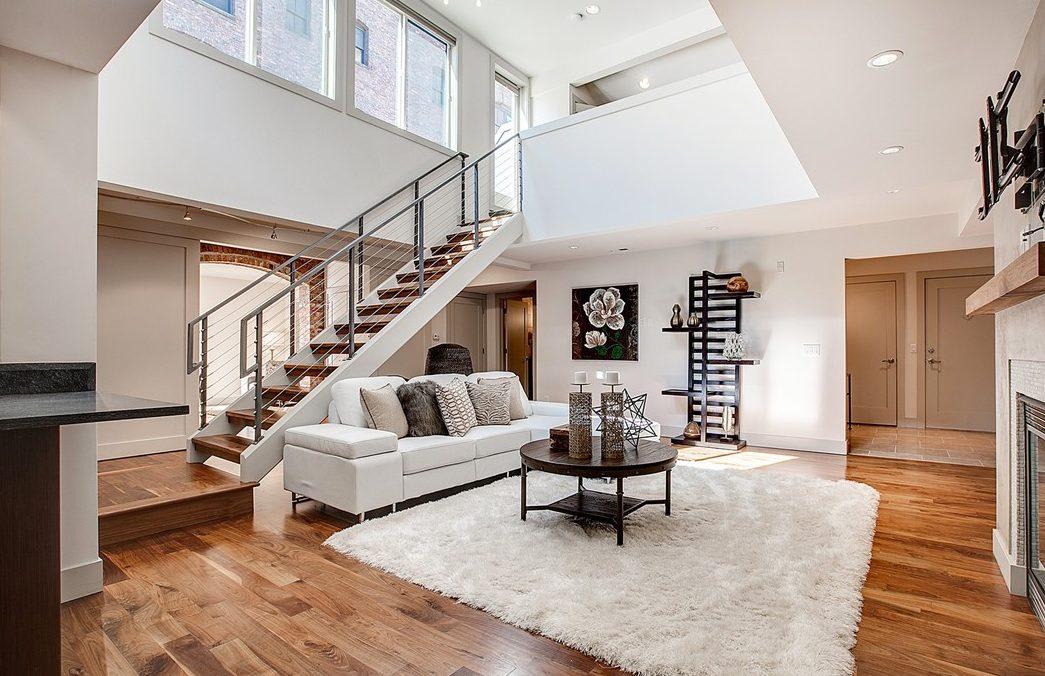
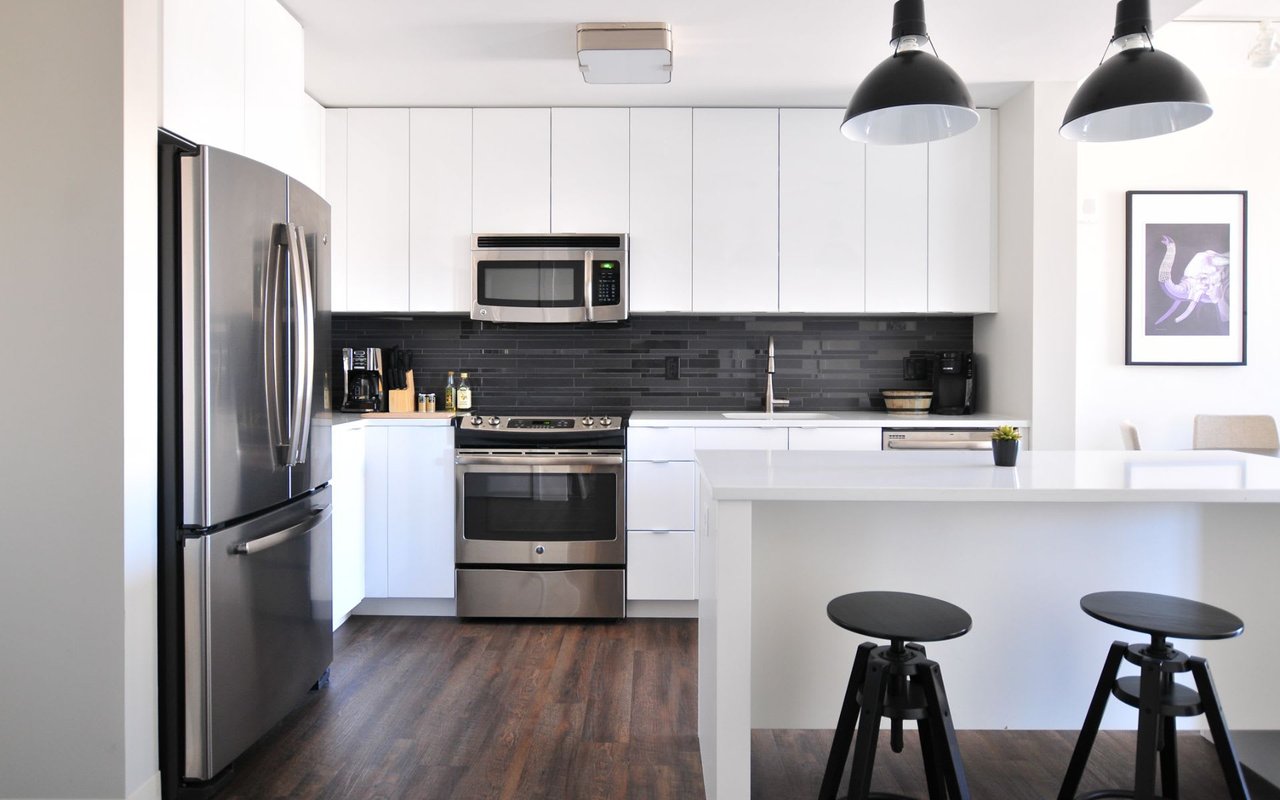
For you those of you that took an interest in our post last week about the modern seattle townhome project going to auction, I thought I would share the results. As expected, there were a number of bidders. The opening bid started at $986,000 and was “bid up” to $1,080,000. I learned that the buyers payed all cash and had plans on fixing/finishing the units and then brining them back to the market. In my opinion, this was an excellent opportunity for this type of situation. I’ll be keeping an eye out for when they hit the market. For anyone that wants to tour the units, let me know. I’m going to try to get a look at them this week.
Is Your Agent Losing Their Home?
This might not be a surprise, but I think there is a chance your real estate agent has been in jeopardy of losing their home. I saw this first hand on Tuesday when I took a Short Sale Certification course at the Seattle Association of Realtors. It featured short sales experts, legal council for John L Scott and a short sale negotiation firm. In this room full of agents, I quickly realized that many of them were at this class to help make important life decisions that were effecting their own families. It was sad, but true. When asking the experts questions, the agents implied that their “client” was experiencing certain situations, but when peeling back the onion it was obvious that it was them; not their clients. This was a humbling experience for me.
The last 3 years in the real estate market have been tough on all Americans. This was a reminder that it hit the people that worked in the industry as hard as anyone else. I took this certification course, because I believe the amount of short sales that will be hitting the market will be unheard of. Banks have an exorbitant amount of inventory that the market has not seen. I believe in every way that markets have improved and will continue too. With that being said, working with short sales and foreclosures will continue to be the norm for years to come. The condominium market has been seeing this first hand at the Cosmopolitan and 2200 Westlake. These were projects that saw an unbelievable amount of investors.
If you or anyone else are experiencing financial hardship, feel free to call me and I would be happy to help you understand your options.
Housing’s HUGE Dilemma

The biggest dilemma in housing is when an owner is under-water on their mortgage. Let me try to explain why this is such a huge problem. I’m going to use a situation that a friend of mine is in down in Phoenix Arizona.
In the heat of market in 2006, he bought a home for nearly $420,000. That home is now worth $180,000. In the foreseeable future it would be impossible for him to get his equity back in the house. Meaning, it seems totally illogical that his $180,000 will ever get back to $420,000. So, what are his options?
Modify His Mortgage:
The problem with a modification is that banks are not reducing principal yet. Bank of America and Citi have claimed to have started the process, but I will believe it when I see it. When banks modify loans they typically lower your interest rate and re-amortize your loan. Meaning that if you are late on your payments they can add the back payments to your loan and essentially will allow you to start over.
Short Sale:
A short sale is typically a very good option in this situation. The only problem is that he makes to much money to qualify. His bank has told him repeatedly that his situation will not allow a short sale approval. He is not in financial hardship. So at this point, we know he can’t sell his house short and a modification will not do anything to help his situation.
Foreclosure:
In an area like Phoenix, foreclosures are at an all time high. People are simply giving the keys back to the bank and they are walking away from their home. This is inevitably what my contact is going to do. Knowing that he is paying a mortgage on a home once valued at $420,000, he simply can’t stomach continuing to do so. Especially when his neighbors homes are selling for a third of what he paid for his own home. His value is $180,000 or less.
His mortgage payment at $420,000 is: $3,100
His mortgage payment on $180,000 is: $1,700
So that brings me to my point. Until the banks start to reduce the principle on their loans they will continue to see this same situation. Borrowers are well aware that the equity in their homes are gone. If you were in this position, would you continue to pay the mortgage? It is a very difficult situation that many borrowers are facing. What comes first? Principle reductions from the banks or more foreclosures from the buyers?
Facing Foreclosure? Read This.
Are you facing foreclosure? Don’t give up. You have options with your bank that you may not even know about. Before we begin, lets get a few things straight. The bank does not want to own your home or condo. Banks have never been in the real estate business. When you are in a position that you may not be able to pay your mortgage; call them. They have customer service reps waiting to assist you and help you find the right product until you get back on your feet. This goes for those of you that have missed payments as well.
DO NOT just walk away without talking to the bank. There are a lot of stories that we hear where borrowers will leave their keys on the kitchen counter or simply mail their keys back to the bank as well (termed-jingle mail). What most of these borrowers didn’t realize is that banks are willing to work with you. They see home preservation as a much better situation than the foreclosure process.
I have had multiple conversations just this week with friends and even family that are trying to understand which way to turn. With so many people in this situation even the non-profits created to help borrowers are overwhelmed. I’m happy to talk with any of you about your situation. Until then, read below.
Here are the most popular options that banks are providing for struggling homeowners:
Home Preservation:
Re-payment plan: If you have fallen behind, you may qualify for making payments over that will ultimately cure the balance owed.
Temporary Payment Reduction: Most banks will offer this plan that may allow partial payments for up to six months.
Loan Modification: This programs may modify your payment by reducing your rate, re-amortizing your loan or reducing the amount owed.
Foreclosure prevention includes:
Short Sales: A short sale allows a borrower to sell their home at an approved price that is less than the balance owed on the loan secured by the property sold.
Deed in Lieu: Allows you to voluntarily transfer legal ownership of your property to the lender when you are unable to sell your home at current market value.


RECENT COMMENTS ON UCS